Featured


The Facts About Private Debt Settlement vs. Debt Management Plan: What’s Safer for Your Credit? Options Compared Uncovered
Table of Contents
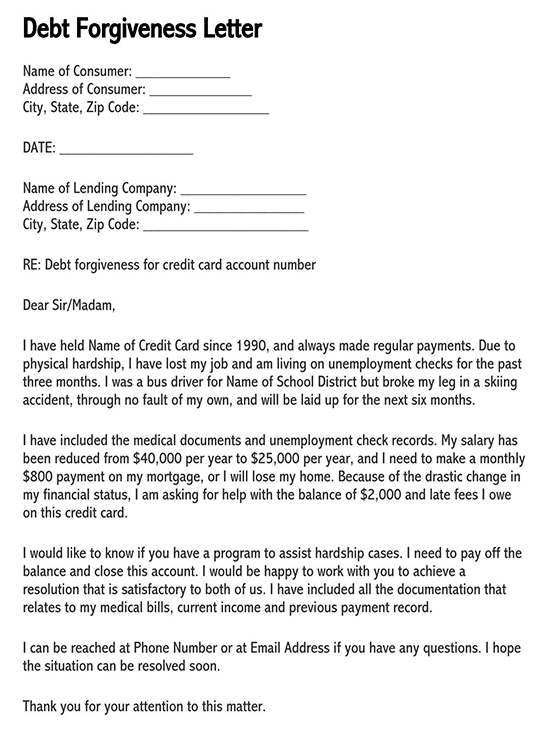
That liberates money in the short term, and you might have three to 4 years to conserve toward the settlement quantity. Very damaging to credit history, mainly due to missed out on repayments and a negative "cleared up" mark that could stay on your credit score record for approximately 7 yearsMay be just choice if other choices (financial obligation consolidation, balance transfer bank card, financial obligation mercy) aren't possibleTypically calls for a cost to the 3rd party, which can counter some or every one of the cost savings from financial obligation settlementMay assist you stay clear of bankruptcy if you've missed out on numerous paymentsNot all financial institutions function with financial obligation settlement business Financial debt forgiveness might be right for you if you are experiencing a financial hardship that makes it almost difficult to pay for your debt equilibriums.

With a DMP, you make one monthly repayment to the credit score therapy firm. Those funds are after that dispersed to financial institutions of your unprotected financial obligations, such as credit report cards and installment financings. The firm functions with your financial institutions to minimize rate of interest or forgo fees, yet some creditors may refuse such concessions.
It can aid you pay down financial debt if you're able to secure a finance rate that's lower than the ordinary rate of the accounts you're combining. You need to avoid from racking up financial obligation on those freshly removed accounts or your financial debt can grow even greater.
That gives you lots of time to get rid of or substantially minimize your balance while making interest-free repayments.
Getting My Recovering Personal Financial Standing the Smart Way To Work
You might require it if your lender or a collection company ever tries to accumulate on the debt in the future. When a lender forgives $600 or more, they are required to send you Type 1099-C.
Financial obligation forgiveness or negotiation practically constantly injures your credit rating. Anytime you work out a debt for less than you owe, it might look like "resolved" on your credit history report and impact your credit rating for seven years from the day of negotiation. Your credit score can likewise go down substantially in the months leading to the forgiveness if you fall back on repayments.
All About Understanding Bankruptcy Types and Qualifications
This scenario commonly results from underreporting earnings, not filing returns on time, or disparities discovered during an Internal revenue service audit. The consequences of collecting tax obligation debt are severe and can include tax obligation liens, which offer the IRS a legal insurance claim to your residential property as protection for the financial debt.
Higher rates of interest on readily available credit history. Salaries and Financial institution Accounts internal revenue service can levy (take) incomes and checking account to satisfy the financial debt. Minimized income and disturbance of important financial processes. Residential property Seizure In extreme instances, the IRS can seize and offer residential property to cover the financial obligation. Loss of beneficial assets and possible displacement.
Anxiety, anxiousness, and other psychological health concerns. Social Stigma Dealing with lawful action from the IRS can carry social preconception. Damage to reputation and relationships. Employment Opportunities An inadequate credit rating as a result of tax debt can restrict job opportunity. Problem searching for or maintaining a job. Federal government Advantages Tax debt might influence qualification for government advantages, such as Social Safety and Medicaid.
The Basic Principles Of Red Flags When Choosing a Debt Counseling Provider
The OIC takes into consideration a number of factors, consisting of the taxpayer's revenue, costs, asset equity, and capability to pay. Successfully working out an OIC can be intricate, calling for a detailed understanding of the internal revenue service's standards and a strong disagreement for why your deal aligns with your ability to pay. It's important to note that not all applications are accepted, and the process needs detailed financial disclosure.
The internal revenue service assesses your total economic scenario, including your earnings, expenses, property equity, and ability to pay. You need to additionally be present with all declaring and settlement demands and not remain in an open bankruptcy proceeding. The internal revenue service likewise considers your compliance background, examining whether you have a record of prompt filing and paying taxes in previous years.
The Best Guide To Resources Available for Anyone's Debt Relief Journey
The application procedure for a Deal in Concession involves a number of comprehensive steps. First, you must finish and send IRS Kind 656, the Deal in Concession application, and Form 433-A (OIC), a collection details statement for people. These forms need extensive economic information, consisting of details about your revenue, debts, costs, and assets.
Back taxes, which are unsettled tax obligations from previous years, can substantially raise your overall internal revenue service financial obligation if not addressed promptly. This debt can build up interest and late repayment penalties, making the initial amount owed much larger in time. Failure to repay tax obligations can cause the internal revenue service taking enforcement actions, such as providing a tax lien or levy versus your building.
It is essential to resolve back tax obligations as soon as possible, either by paying the sum total owed or by setting up a payment strategy with the internal revenue service. By taking aggressive actions, you can stay clear of the buildup of additional rate of interest and penalties, and protect against a lot more hostile collection actions by the IRS.
One usual reason is the idea that the taxpayer can pay the sum total either as a lump sum or through a payment strategy. The internal revenue service also takes into consideration the taxpayer's revenue, costs, property equity, and future earning possibility. If these factors indicate that the taxpayer can afford to pay greater than the provided amount, the IRS is most likely to decline the deal.
Not known Factual Statements About Safeguarding Yourself from Debt Relief Scams
Dealing with IRS financial obligation can be complicated and difficult. Tax obligation professionals, such as CPAs, tax attorneys, or enlisted representatives, can give vital assistance.

Table of Contents
Latest Posts

Not known Incorrect Statements About Staying Safe Against Unethical Operators
Your Introduction to What to Expect in a Housing Counseling Session If You’re Facing Foreclosure with a Counselor for Dummies
About Real Experiences of Families Who Found Relief
More
Latest Posts
Not known Incorrect Statements About Staying Safe Against Unethical Operators
Your Introduction to What to Expect in a Housing Counseling Session If You’re Facing Foreclosure with a Counselor for Dummies
About Real Experiences of Families Who Found Relief